
Introduction
Worm farming (or vermicomposting) might sound like a technical term, but it is actually incredibly simple. In short, it is the practice of using specific composting worms to convert kitchen scraps and organic waste into the richest, most nutrient-dense plant food on earth: worm compost (vermicompost) and worm tea.
Whether you have a large vegetable garden or simply want to give your potted plants a boost, a worm farm is nature’s very own recycling factory right in your backyard.
The Heroes of the Story: Red Wiggler Worms
You cannot just dig up any earthworm from the garden and put them into a worm farm. Ordinary garden earthworms prefer to burrow deep into the soil.
For a successful worm farm, we use Red Wiggler worms (locally often referred to as Rooi Kariba worms). These worms are “surface feeders.” They live in the upper layers of the soil or bedding, breed rapidly, and have a massive appetite for your kitchen scraps!
What Do They Eat? (And what do they NOT eat?)
A worm farm is very easy to maintain, as long as you know what your worms prefer.
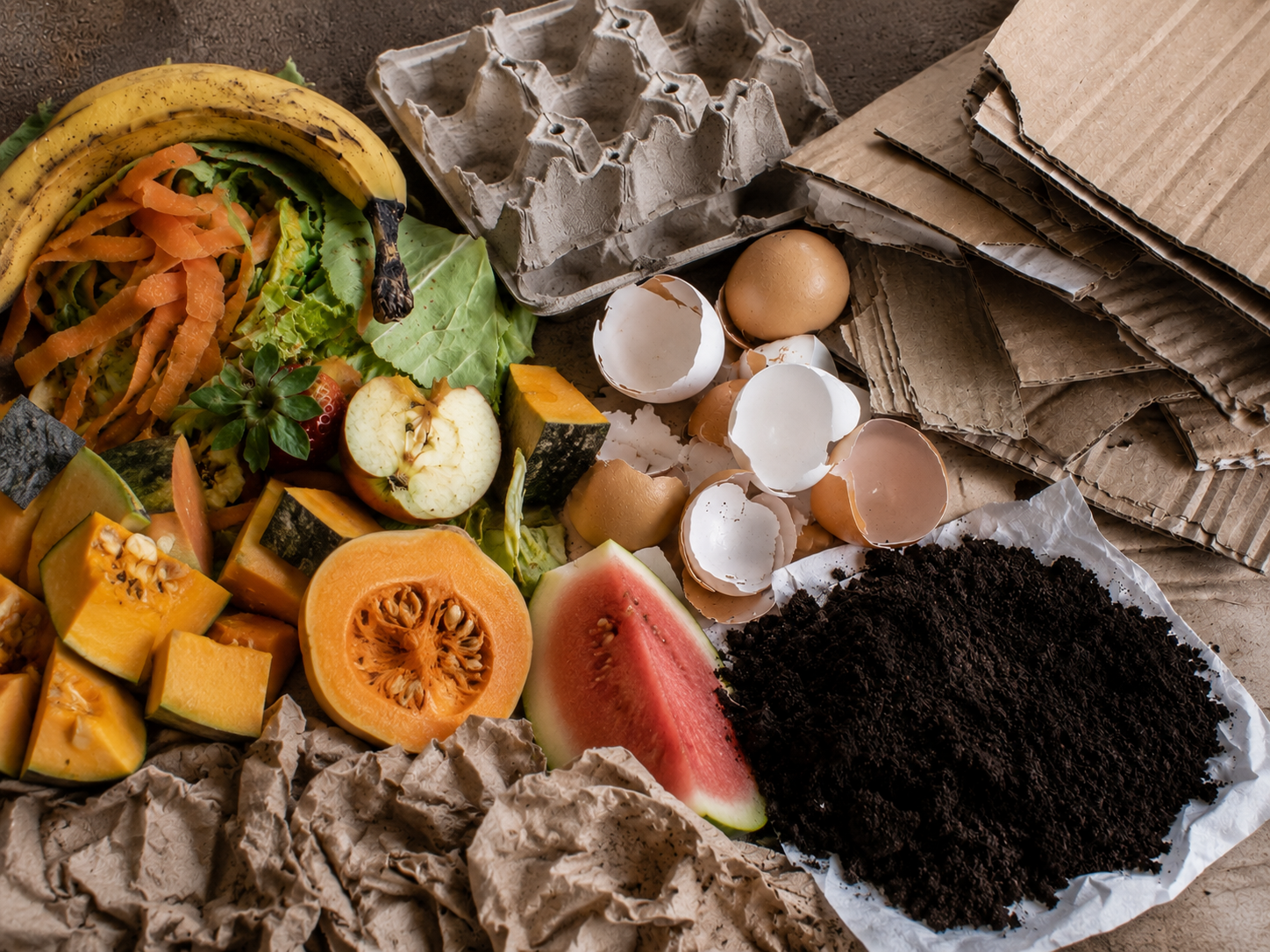 What they love:
- Fruit and vegetable scraps: All those peelings and leftovers (except for the exceptions below).
- Pumpkin: One of their absolute favorites!
- Paper and cardboard: Egg cartons and shredded cardboard are excellent for their bedding and moisture balance.
- Tea bags and coffee grounds: This gives them an extra energy boost.
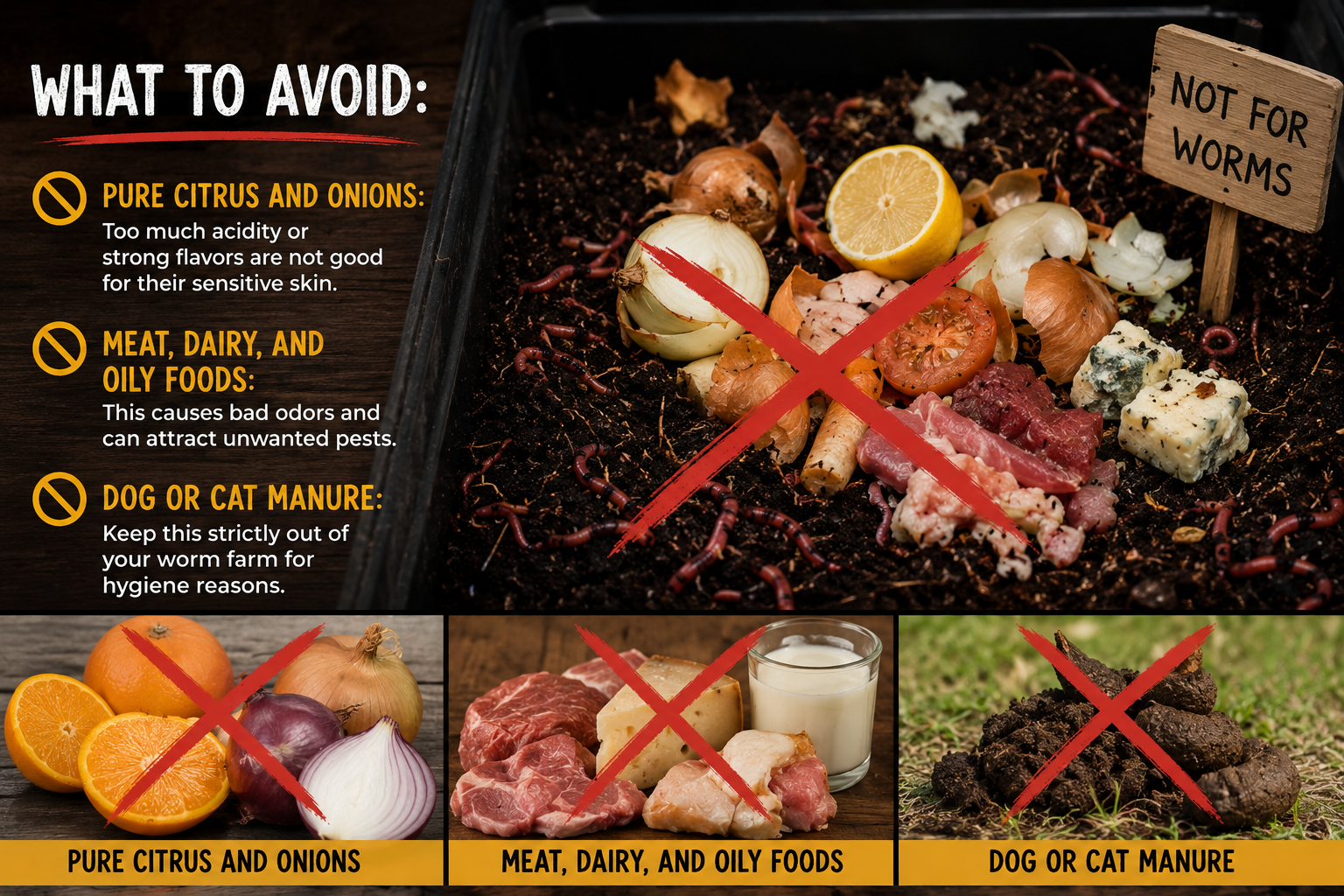 What to avoid:
- Pure citrus and onions: Too much acidity or strong flavors are not good for their sensitive skin.
- Meat, dairy, and oily foods: This causes bad odors and can attract unwanted pests.
- Dog or cat manure: Keep this strictly out of your worm farm for hygiene reasons.
“Black Gold” and Worm Tea
The main reason people start a worm farm is for the incredible end products:
- Worm Compost: The dark, odorless material that the worms leave behind after processing the food. It is packed with beneficial micro-organisms that bring your garden soil to life.
- Worm Tea: A liquid fertilizer made by brewing and aerating the compost or worm castings in water (using an air pump). It acts as a natural “super-vitamin” for your plants and even helps keep pests away.
Not Just for the Garden: A Bonanza for Anglers and Pet Owners!
Worm farming is about much more than just good compost for your vegetables. Red Wigglers are versatile little creatures that are making big waves in a few other very popular industries as well.
1. The Ultimate Freshwater Bait for Anglers
If you enjoy fishing, you know that nothing catches a fish’s attention faster than a lively, wriggling worm on the hook.
- Why they are perfect: Red Wigglers are exceptionally active and “wiggle” for a long time underwater.
- Scent and toughness: They secrete a natural scent that fish (especially tilapia/kurper, catfish/baber, and carp) simply cannot resist. Plus, their skin is tough enough so they don’t easily fall off the hook or get nibbled away by tiny fish.
- Always fresh bait: When you have your own small worm farm, you never have to rush to a bait shop before a fishing trip again – your fresh bait is always ready in your backyard.
2. Protein-Rich “Superfood” for Pets
People who keep specific pets or exotic animals are very conscious of the nutrition they provide. Red Wiggler worms are a clean, natural source of high-quality protein and essential nutrients.
They are an absolute delicacy for:
- Birds: Aviary birds, chickens (especially if you are looking for those rich, golden-yellow yolks!), and wildlife birds.
- Reptiles and Amphibians: Lizards, bearded dragons, frogs, and tortoises love them.
- Aquariums: Larger freshwater fish and certain fish species thrive on live food.
Because you control the worms’ diet yourself (clean kitchen scraps and cardboard), you know exactly that the food you are giving your pet is free from any chemicals or toxins.
Conclusion: It’s Easier Than You Think!
Worm farming takes up very little space, does not smell bad when managed correctly, and gives you the opportunity to grow your own organic plant food while reducing your household waste. It is the perfect project for any gardener, angler, or pet lover, big or small.